
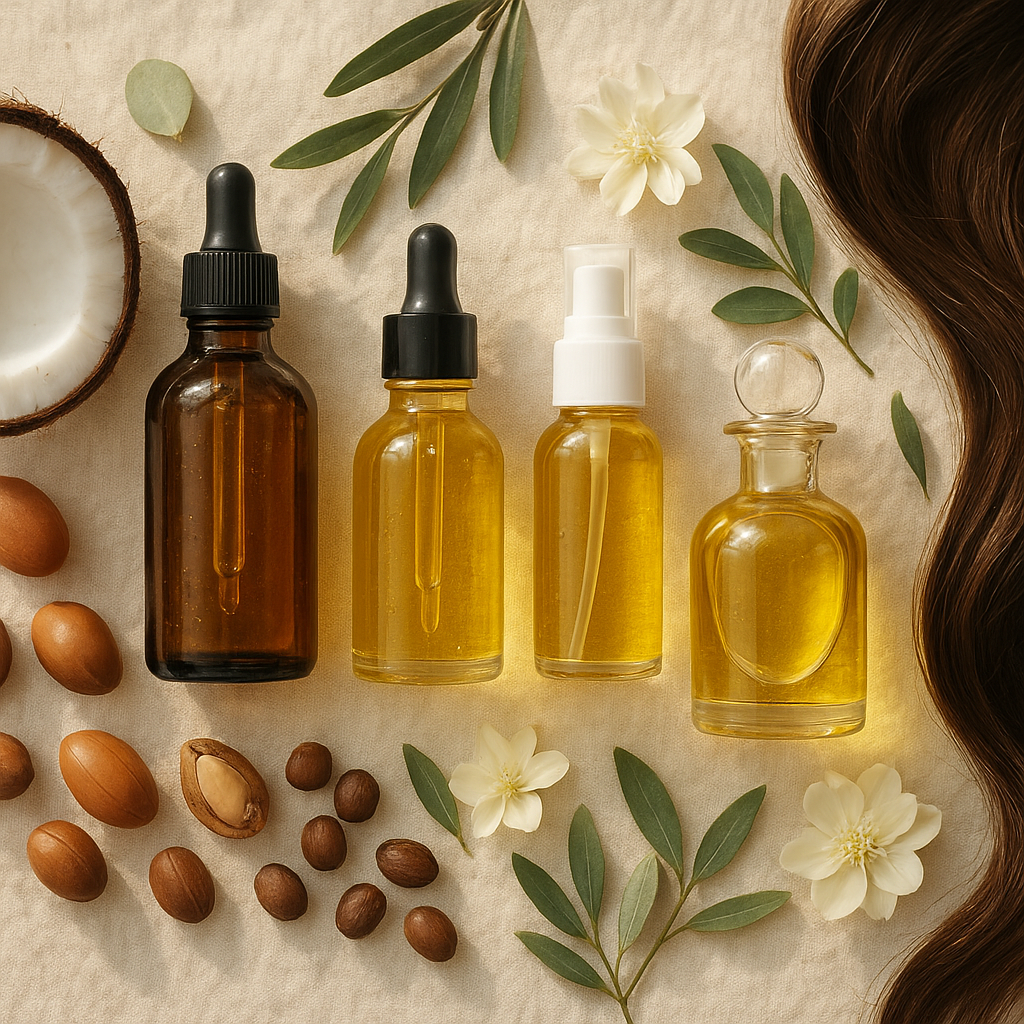
Walk down any beauty aisle and you’ll find dozens of products promising to transform dull, damaged hair into glossy, healthy locks. Yet for centuries — long before synthetic conditioners and heat-protecting serums existed — people relied on something far simpler: natural oils pressed from seeds, nuts, and fruits. What’s remarkable is that modern science keeps validating what traditional cultures already knew. Natural oils penetrate the hair shaft, reduce protein loss, and protect against environmental stressors in ways that many synthetic ingredients simply can’t replicate.
If you’ve been curious about weaving natural oils into your daily routine but aren’t sure where to start, this guide breaks it all down — from choosing the right oil for your hair type to avoiding common blending mistakes. Whether your hair is fine and prone to greasiness or thick and perpetually thirsty, there’s a natural oil approach that genuinely works.
Why Natural Oils Work: The Science Behind the Shine
Understanding why natural oils are so effective makes it easier to use them correctly. Hair strands are coated in a protective layer of overlapping cuticle cells. When these cells are lifted or damaged — by heat styling, chemical processing, or even just dry weather — hair becomes frizzy, brittle, and prone to breakage.
Natural oils work on several levels. Some, like coconut oil, are small enough in molecular structure to actually penetrate the hair cortex, reducing the amount of water absorbed during washing (a process that causes swelling and cuticle damage). Others, like argan and jojoba, are better at coating the outside of the strand, locking in moisture and smoothing the cuticle from the outside. A study published in the Journal of Cosmetic Science found that coconut oil was the only oil tested that significantly reduced protein loss in both undamaged and bleached hair — a finding that sparked enormous renewed interest in traditional oiling practices.
Beyond the structural benefits, many natural oils contain vitamins (particularly E and D), antioxidants, and fatty acids that support a healthy scalp environment, which is ultimately where hair growth begins.
Choosing the Right Oil for Your Hair Type
Not all natural oils are created equal, and using the wrong one can leave hair looking flat or greasy rather than healthy. Matching your oil to your hair type is the single most important factor in getting good results.
Fine or Low-Porosity Hair
Fine hair is easily weighed down, so heavy oils like castor or coconut can be a problem when used in large amounts. Lightweight oils are the go-to for this hair type. Great options include:
- Argan oil: Often called “liquid gold,” it absorbs quickly and adds shine without residue
- Grapeseed oil: One of the lightest oils available, nearly undetectable on the hair
- Jojoba oil: Technically a liquid wax, it closely mimics the scalp’s natural sebum and is unlikely to cause buildup
Thick, Coarse, or High-Porosity Hair
Hair that’s been chemically processed or is naturally coarse tends to have higher porosity — meaning it absorbs moisture quickly but also loses it just as fast. These hair types can handle richer, heavier oils:
- Castor oil: Thick and deeply nourishing, especially useful for dry scalps and hair ends
- Coconut oil: Best for pre-wash treatments; penetrates the cortex and reduces protein loss during washing
- Olive oil: Rich in oleic acid, it conditions and softens even the most resistant strands
Curly or Natural Hair
Curly and coily hair textures often struggle with moisture retention because the natural oils from the scalp have difficulty traveling down the spiral shape of the strand. For these hair types, a combination approach tends to work well — using a penetrating oil like coconut as a pre-wash treatment and a sealing oil like sweet almond or avocado to lock in moisture after washing.
How to Integrate Natural Oils Into Your Daily Routine
This is where many people get stuck. Knowing which oil to choose is one thing; figuring out when and how to use it is another. The good news is there’s a lot of flexibility here, and a few different application methods suit different lifestyles and hair needs.
Pre-Wash Oil Treatment (The Most Effective Method)
Applying oil to dry hair 30 minutes to overnight before shampooing is arguably the most beneficial way to use natural oils. This is especially true for coconut oil, which needs time to penetrate the shaft. The oil creates a protective barrier that prevents hair from over-absorbing water during washing — a process called hygral fatigue that can cause swelling and long-term weakening of the hair fiber. Simply warm a small amount between your palms, work it through dry hair from mid-length to ends, and allow it to sit before your usual wash routine.
Post-Wash Sealing
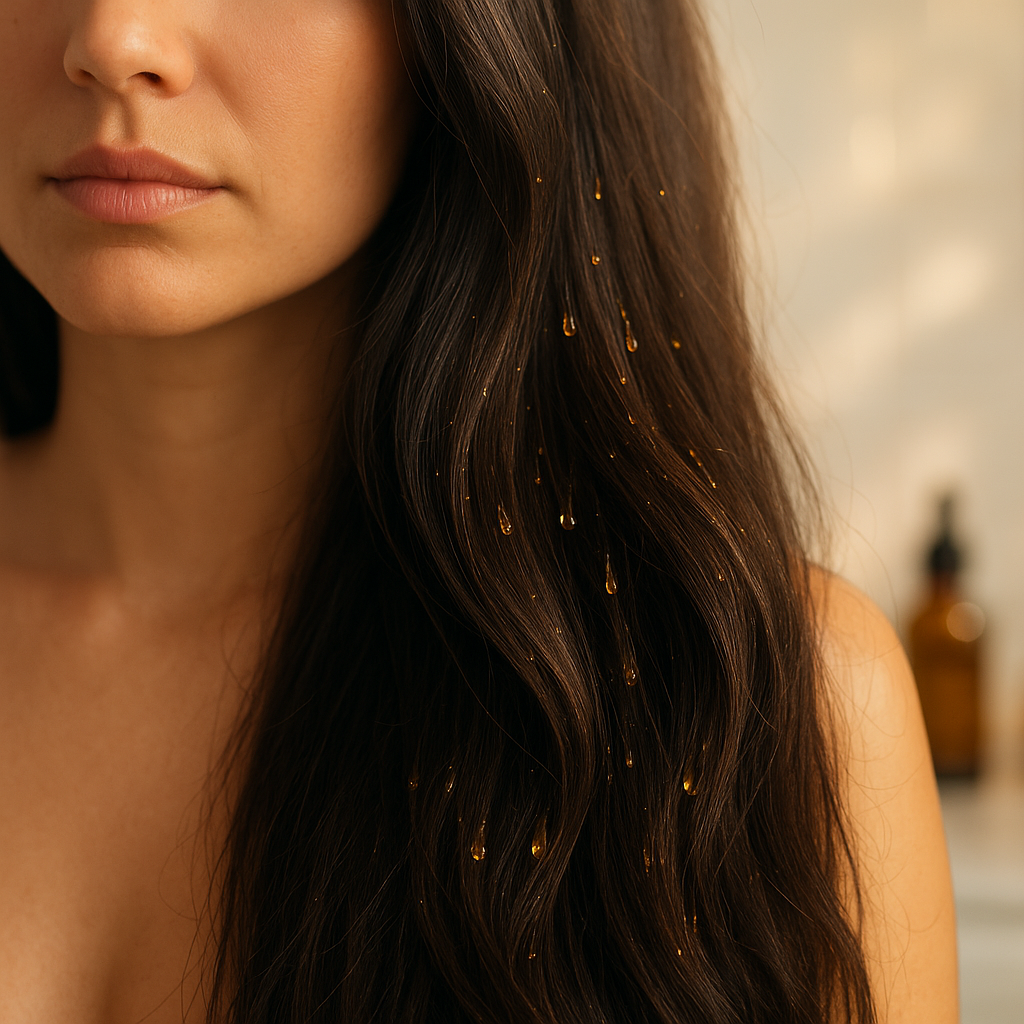
After washing and conditioning, applying a small amount of a lightweight oil to damp hair helps seal the cuticle and lock in the moisture from your conditioner. This is particularly effective for curly hair types. The key word here is small — a few drops of argan or jojoba oil are often all that’s needed. Working it through the ends first, where hair is oldest and driest, then lightly through the mid-lengths prevents the heavy, greasy look that puts many people off oil use altogether.
Scalp Massage
A weekly scalp massage with oil serves double duty: the massage itself increases blood circulation to the hair follicles, while the oil nourishes the scalp skin. Rosemary-infused oil has gained significant attention recently — a 2023 study comparing rosemary oil to minoxidil (a clinically approved hair loss treatment) found comparable results for stimulating hair regrowth after six months. While more large-scale research is needed, rosemary oil has become one of the most widely recommended options for those interested in natural approaches to hair density.
Addressing Common Questions About Daily Oil Use
Can I Add Oil to My Hair Every Day?
Yes, but the amount and type matter enormously. Using a very small amount of a lightweight oil like argan or jojoba on the ends of dry hair daily is generally fine for most hair types. It helps combat the friction and environmental exposure that hair encounters throughout the day. However, applying heavy oils like castor or coconut oil to the scalp daily can lead to buildup and even clogged follicles over time. Daily use works best when it’s minimal — think one or two drops rather than a generous handful.
What Oils Cannot Be Mixed Together for Hair?
There’s no universal rule against mixing oils, but some combinations are more effective than others. The main thing to avoid is mixing oils that work on opposing principles — for instance, combining a heavy, film-forming oil (like castor) with a penetrating oil (like coconut) in equal parts for a pre-wash treatment reduces the effectiveness of both. Similarly, essential oils should never be applied undiluted to the scalp, regardless of what other oils they’re mixed with. Always dilute essential oils in a carrier oil at around 2–3% concentration (roughly 2–3 drops per tablespoon of carrier oil).
What Is the Chinese Secret to Hair Growth?
This question refers to a long-standing tradition in parts of China — particularly associated with the Yao women of Huangluo village — of using fermented rice water to care for hair. While not technically an oil, this practice involves rinsing hair with the starchy water left over from soaking or fermenting rice. The water is rich in inositol, a carbohydrate that can penetrate damaged hair and help repair it from within. When combined with oil treatments, many people find the two practices complement each other beautifully, with rice water addressing elasticity and oils addressing moisture and shine.
Can I Mix All Oils Together for Hair?
Technically you can, but blending multiple oils doesn’t necessarily produce better results — and it can make it harder to identify what’s actually working for your hair. A more strategic approach is to choose two or three complementary oils: one that penetrates (like coconut or olive), one that seals (like argan or sweet almond), and one that targets a specific concern like scalp health or growth (like rosemary-infused oil or peppermint). That combination covers the key bases without overcomplicating your routine.
Which Natural Oils Support Hair Growth and Thickness?
Hair growth is largely genetic and hormonal, so it’s worth being realistic about what topical oils can achieve. That said, oils that support a healthy scalp environment and reduce breakage can absolutely contribute to the appearance of thicker, fuller hair over time — because hair that doesn’t break retains its length and volume far better.
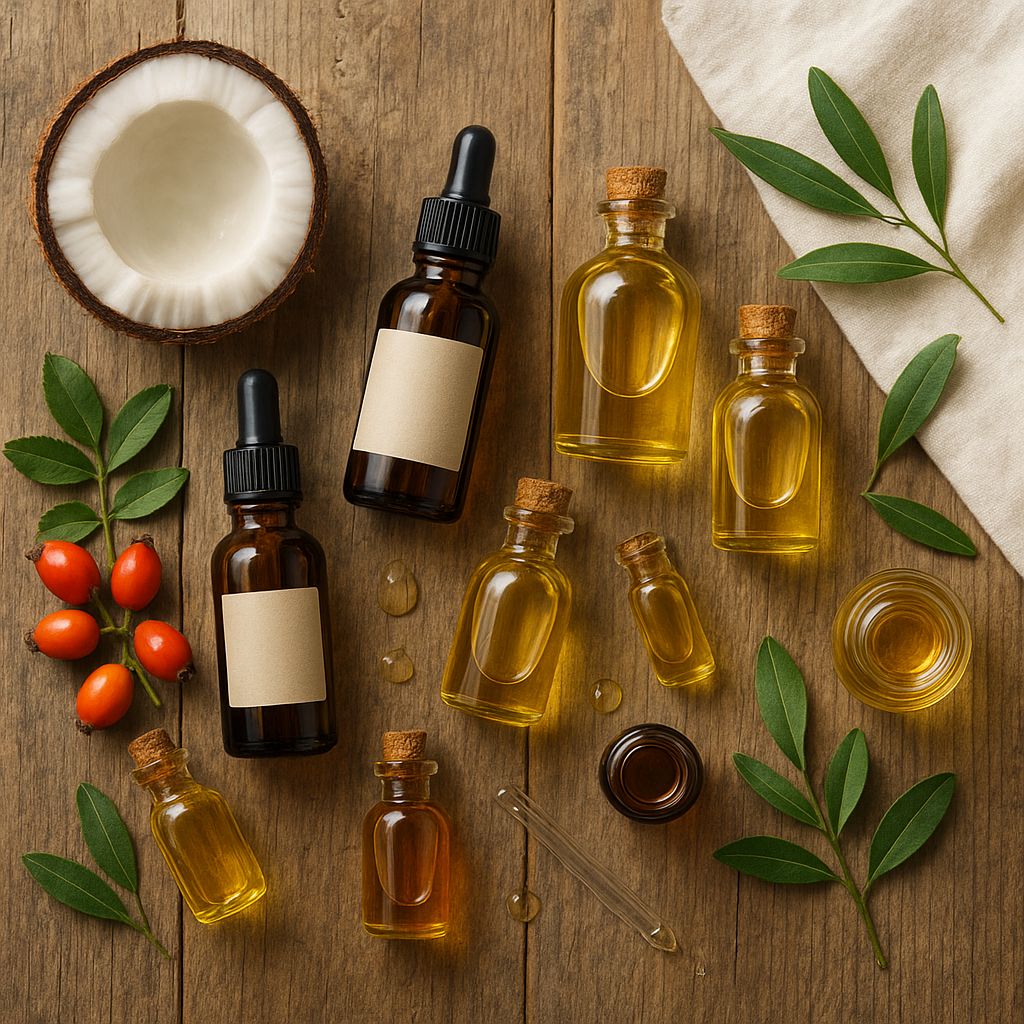
The oils most associated with growth and thickness include:
- Rosemary oil: Shown to improve scalp circulation and stimulate follicles
- Peppermint oil: A 2014 animal study found peppermint oil increased follicle depth and dermal thickness — it must always be diluted before use on skin
- Castor oil: Rich in ricinoleic acid, which has anti-inflammatory properties that may support scalp health, though scientific evidence specifically for hair growth remains limited
- Jamaican black castor oil: A traditionally used variant that many people report improves thickness over time with consistent scalp massage use
Consistency is really the operative word with all of these. Sporadic use won’t produce meaningful results; a regular, committed practice — even just once or twice a week — is what tends to make the difference people notice.
Tips for Getting the Most Out of Natural Oils
- Less is more: Most people use far too much oil and then blame the oil when their hair looks greasy. Start with a few drops and work up only if needed
- Store oils correctly: Light and heat degrade oils quickly. Dark glass bottles stored in a cool cupboard preserve quality far longer than clear plastic bottles in a sunny bathroom
- Patch test essential oils: Even diluted, some essential oils can cause reactions in sensitive individuals — always test on a small area of skin first
- Give it time: Most people notice real improvement after four to six weeks of consistent use, not after one or two applications
- Match your wash routine: If you’re using heavier oils in your routine, you may need a slightly more clarifying shampoo periodically to prevent buildup
Bringing It All Together
Natural oils offer something genuinely useful in a hair care world full of complicated ingredient lists and expensive treatments: simplicity backed by both tradition and science. The key is being intentional — choosing oils that suit your specific hair type, using them in the right amounts, and applying them in ways that align with how your hair actually behaves.
Pre-wash treatments protect against damage during washing. Post-wash sealing locks in moisture after conditioning. Regular scalp massages support the environment from which healthy hair grows. None of this requires overhauling your entire routine overnight. Even adding a single oil-based step to what you already do can yield noticeable improvements in texture, shine, and manageability over time.
The centuries-long track record of natural oil use across cultures isn’t just nostalgic — it’s a reminder that effective hair care doesn’t have to be complicated. Sometimes the most transformative changes come from the simplest ingredients, applied with a little patience and consistency.